 Chinese Surname Guide
Wu Chinese Surname Meaning: Character, Pronunciation, and Lineage Limits
Check the Wu Chinese surname character, Mandarin pronunciation, Ng and other romanizations, and research limits before assuming a family lineage.
Wu is commonly the Mandarin pinyin spelling of a Chinese surname often written in simplified and traditional forms. The same family name may appear as Ng or other spellings in different language and migration contexts. A romanized spelling alone does not prove the ancestral branch or relationship between two families; verify records first.
Wu surname identity checks
- Common character
- 吴 in simplified Chinese and 吳 in traditional Chinese.
- Mandarin reading
- Wú in pinyin, with a rising tone.
- Romanization variation
- Ng and other spellings may represent the same surname in different language and migration settings.
- Historical context
- Origin accounts can describe traditions associated with the surname but do not establish a modern family tree.
- Research boundary
- Spelling alone cannot prove the character, branch, ancestry, or relationship between families.
Start with the Chinese character behind Wu
The safest starting point for Wu Chinese surname meaning is the original character. Wu commonly represents 吴 in simplified Chinese and 吳 in traditional Chinese, read Wú in Mandarin. A family document, seal, grave inscription, household record, or confirmed relative may preserve the character more reliably than an English spelling.
The spelling Wu can also represent other Chinese words or names in different contexts. Confirming the character prevents a dictionary meaning or historical story from being attached to the wrong family name.
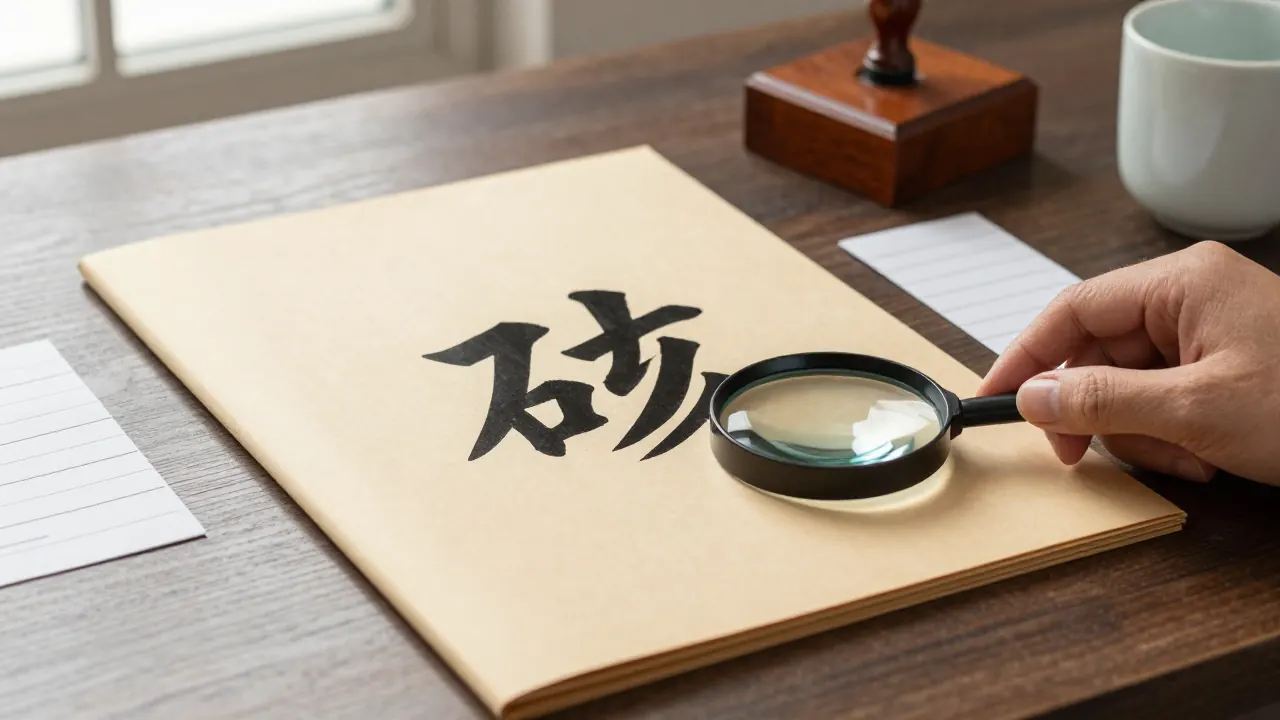
Separate Mandarin Wu from Ng and other romanizations
Romanization records pronunciation through different language systems and migration histories. Mandarin pinyin commonly gives Wu, while Cantonese and other contexts may produce Ng or additional spellings. Two spellings can sometimes point to the same character, and one spelling can still require verification.
Record each spelling exactly as it appears, together with place, date, language, and document type. Do not silently modernize an older form, because the variation itself may help connect passenger lists, certificates, directories, and family records.

Use historical origin stories as context, not a pedigree
Surname histories often preserve accounts linking a name to ancient places, states, titles, or ancestors. These stories are valuable cultural context, but they cover long periods and many branches. They are not a ready-made pedigree for every present-day person with the surname.
Treat a broad origin account as a research lead. A defensible family connection needs records that bridge known relatives across generations and locations, not only a matching surname or an appealing historical narrative.
Build a Wu surname research trail from records
Begin with the most recent confirmed person and work backward. Collect full names, Chinese characters when available, alternate spellings, birth and marriage details, villages or cities, occupations, relatives, and document sources. Note conflicts instead of forcing them into one answer.
Use the character to search surname references, then compare family records, local gazetteers, clan materials, immigration documents, and oral history. Oral accounts can point toward evidence, but dates and relationships should still be checked against records.
Keep surname meaning separate from personal identity
A surname can carry language, family, and historical meaning without describing the person who bears it. It does not prove personality, social status, nationality, beliefs, or closeness to another Wu family. Individuals may also choose different spellings for practical or personal reasons.
Use respectful wording: this record uses, this family reports, or this source associates. That keeps the research open to correction and leaves identity with the person and family rather than a surname chart.
Five checks for a Wu family-name record
- Confirm the Chinese character before translating or choosing an origin story.
- Record tone, dialect, spelling, date, place, and document source.
- Keep Wu and Ng variants available during record searches.
- Build lineage from linked records rather than surname matching.
- Separate surname history from claims about a living person.
Wu surname research questions
What does the Chinese surname Wu mean?
Wu commonly represents 吴, traditional 吳, read Wú in Mandarin. Historical context varies, and the spelling alone does not prove a lineage.
How is the Wu surname written in Chinese?
A common form is 吴 in simplified script and 吳 in traditional script. Verify the character in family records.
Are Wu and Ng the same surname?
They can represent the same character in different language contexts, but each family record should be checked.
Can the Wu spelling prove a family lineage?
No. Linked records, places, dates, relationships, and characters are needed to support a lineage.